




How to Choose an Endoscope Bending Section Manufacturer
2026-11-09 14:43:33
Introduction: Choosing an endoscope bending section manufacturer comes down to quality system discipline, cleanroom handling, inspection capability, and a clean handoff from prototype to production.
A procurement manager with a new flexible-scope project often receives quotes that look similar on paper. The difference appears later, when the first pilot batch arrives and the slot geometry no longer matches the sample that passed bench testing. Bending sections are cut and bent from medical-grade stainless micro-tubes, and the parameters that decide performance—outer diameter, wall thickness, kerf width, bend radius, slot pattern, and overall length—come from a drawing. A useful supplier decision is therefore built around process control and engineering response, with price considered against the cost of scrapped pilot lots and delayed validation.
How Medical Device Sourcing Teams Evaluate a Bending Section Manufacturer
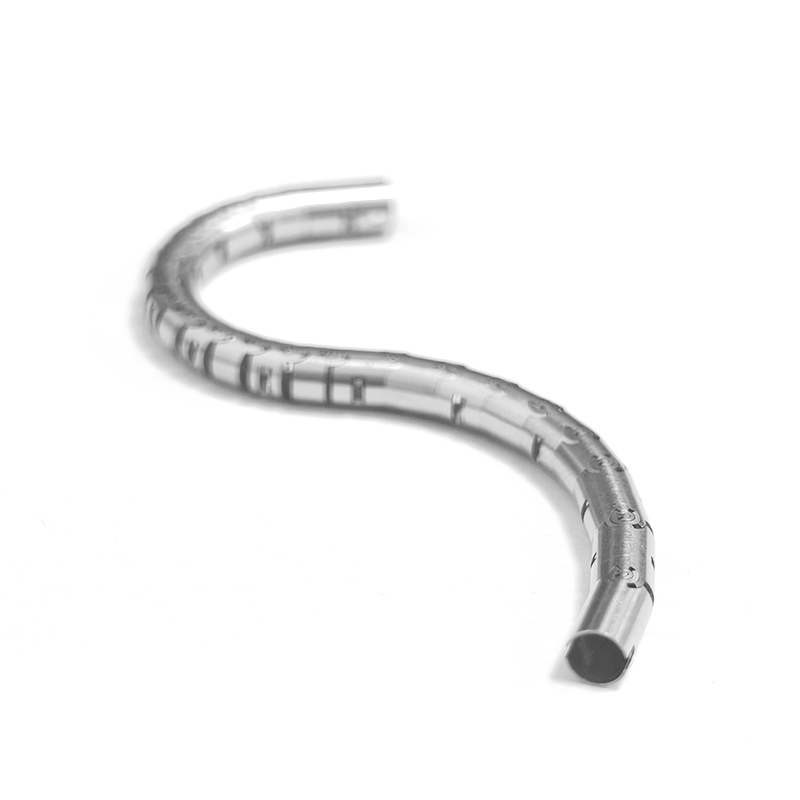
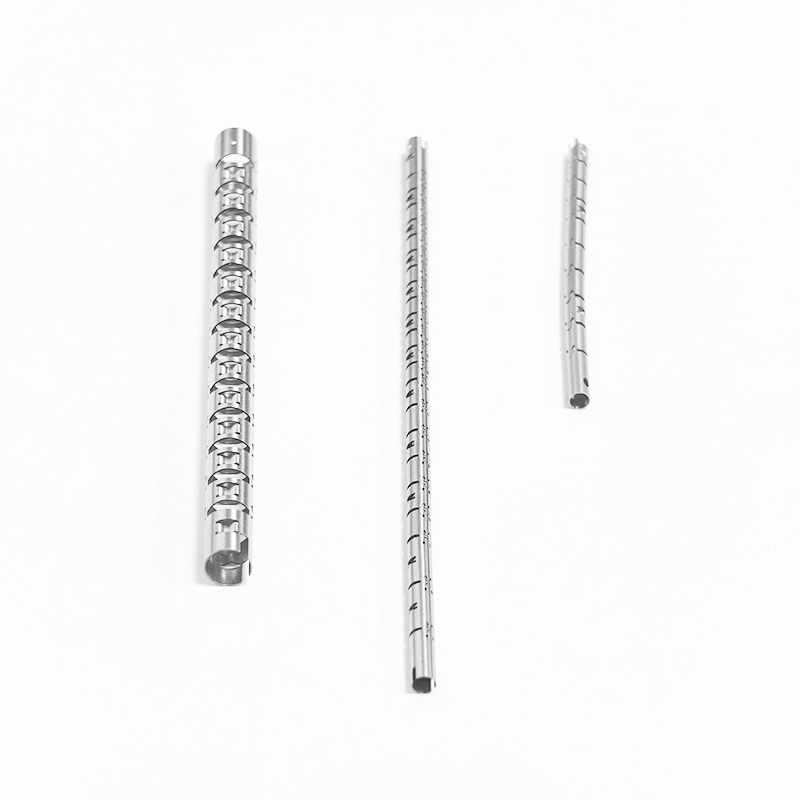
The drawing is the strongest test of supplier capability. Send the same CAD file and tolerance callouts to every candidate, then compare the technical response. A capable bending section supplier returns manufacturability comments: which slot pattern can be cut cleanly without burrs, where wall thickness limits the bend radius, which features need a dedicated fixture, and which small design changes would improve consistency in volume. That response shows whether the engineering team reads the geometry before quoting and whether the supplier can discuss the part as a medical component rather than a generic cut tube. Equipment and workholding determine whether the quoted geometry can be produced repeatedly. Precision laser cutting depends on tight kerf control and a focused beam, and the tube must be supported without distortion while the pattern is cut. The laser platform, tube support method, fixture validation history, and low-heat cutting approach belong in the technical discussion. Low-heat laser cutting matters because heat input can alter the cut edge and the surrounding microstructure; for a part designed to flex repeatedly, the cutting process should preserve the stainless tube’s mechanical behavior as far as the design allows. Inspection capability closes the gap between a good sample and a qualified supply source. A coordinate measuring machine confirms position and form in three dimensions, while an optical projector verifies slot width, edge profile, and bend angle on the shop floor. A supplier with both can inspect the features it agrees to hold, and that measurement discipline makes first-article approval and later lot checks more direct. Inspection records should trace the measured features back to the drawing callouts, not simply report that parts passed a visual check. Batch-to-batch consistency usually decides the final supplier choice. A single good sample shows what the process can achieve once; volume production depends on how tightly parts cluster around the target. NIST process-capability logic is useful here: compare the tolerance width on critical features with the natural spread of the supplier’s process. Consecutive lot records for slot position, bend angle, and cut-edge quality reveal whether the process is stable or drifting. Material stock also affects consistency. Keeping medical-grade 304 and 316L micro-tube stock on hand helps hold alloy grade and lot steady across builds, which removes one common source of variation before laser cutting begins.
How Quality Systems and Cleanroom Controls Affect Bending Section Supply
A quality system is what turns a good machine shop into a supply partner for a device project. It defines who approves a process change, how a fixture is qualified, what is recorded at each operation, and how a nonconformance is closed. When those controls run in practice, incoming inspection becomes a confirmation step rather than a discovery step. For a bending section program, the quality system also gives the device maker a shared language for change control when a drawing revision, material lot, or packaging requirement shifts.
1. How ISO 13485 Process Controls Shape Batch-to-Batch Bending Section Consistency
ISO 13485:2016 places medical device manufacturing under documented process control, and that structure protects a bending section program over time. Laser parameters are set and recorded rather than tuned by feel. Fixtures are qualified before the first production lot. In-process checks run at defined intervals, and each lot carries a record that traces back to material, machine, and operator. For a custom endoscope bending section supplier, these controls are the basis for keeping later production lots aligned with the approved process. A production site that operates to ISO 13485:2016 also gives the device maker’s quality team a framework to audit against, which shortens supplier qualification and makes change-control discussions direct when a drawing revision arrives.
2. Why Cleanroom Handling and Material Traceability Matter for Medical OEM Projects
A cut stainless micro-tube collects debris, and the internal channel of a bending section is exactly where debris is least acceptable. Handling and cleaning in a controlled environment keep the part in a condition that assembly and validation steps can accept. A 100,000-class cleanroom supports ultrasonic cleaning, laser marking, and packing without reintroducing contamination. Material traceability runs alongside these controls: alloy verification by spectrum analysis checks whether a lot is 304 or 316L, and lot-level records let the device maker trace a component back to its raw material. When the bending section enters a device project, that traceability supports the material section of the regulatory file and gives the quality team a factual basis for supplier review.
How Prototype Builds and Scale-Up Readiness Separate Capable Suppliers
Prototype work and production work ask different things of a supplier, and the gap between them is where supplier choices often fail. On prototypes, speed and engineering dialogue matter most: a fast sample, a fixture built for a short run, and clear feedback on which features will be hard to hold. On production, the priorities shift to repeatability, capacity, and documentation. FDA guidance on custom medical device prototypes makes the same point from the regulatory side: geometry, material, and process parameters should be documented during development so the transition to production can be traced rather than recalled. Low-heat laser cutting deserves direct discussion during scale-up planning. Laser cutting removes material with a focused beam, and the heat that comes with it can alter the cut edge and the surrounding microstructure. A low-heat process, matched with an optimized bending sequence, keeps the stainless tube closer to its original mechanical behavior—an important property for a component designed to flex repeatedly in use. An in-house fixture team that builds dedicated tooling also makes prototype iterations easier to schedule because the supplier controls the tooling path instead of waiting on an outside mold shop. Delivery format completes the scale-up picture. Some programs want bulk components for their own assembly line, while others want cleaned, marked parts in custom sterile barrier packaging. The supplier should be able to explain how the process moves from prototype samples to pilot builds and then to commercial lots, including the inspection data and lot records that travel with each stage. Exact tolerances, minimum order quantities, lead time, pricing, and finished-device registration status are settled from the drawing and project review, because every bending section is custom.
Conclusion
A sound supplier decision rests on evidence that the supplier reads the drawing, controls the laser and fixture process, measures what it promises, works within medical quality and cleanroom discipline, and can carry the part into scale-up. Price and lead time matter, but they become meaningful after those capabilities are clear; a weak supplier often costs more through scrapped pilot lots and delayed validation. Send your drawing or specification to a custom endoscope bending section supplier with the tolerances marked, ask for manufacturability feedback, and request sample parts with inspection records. SINOWARES reviews drawings submitted through the online form with a free custom plan evaluation and an emailed engineering reply within 24 hours, which gives a practical starting point for confirming whether a supplier can build your bending section.
FAQ
Q: What should medical device sourcing teams review in an endoscope bending section manufacturer?
A: Medical device sourcing teams should look for drawing-specific manufacturability feedback, laser cutting and fixture control for micro-tubes, measurement equipment that can verify slot width and bend angle, a quality system and cleanroom suited to medical device work, and a credible path from prototype through pilot builds into scale-up. Material verification, lot inspection data, and fixture qualification records show how those controls operate in practice.
Q: How does ISO 13485:2016 support a custom bending section supplier evaluation?
A: ISO 13485:2016 gives a recognized framework to audit against: documented process control, qualified equipment and fixtures, defined in-process checks, traceable records, and formal change control. In a bending section project, laser parameters, tooling, and inspection steps are recorded, and each lot can be traced to material and machine. Supplier qualification moves faster when the quality team can review a known control set rather than building an audit program from scratch.
Q: Can a bending section manufacturer support both prototype builds and commercial scale-up?
A: Yes, when prototype and production are run as one continuous program. Prototypes need fast samples, dedicated short-run fixtures, and clear DFM feedback; scale-up needs locked laser parameters, repeatable fixture performance, capacity, and lot documentation. The supplier should explain how the process is handed over between the two stages and provide inspection data from pilot runs as well as prototype samples. In-house fixture development and 304/316L raw material stock help keep both stages under one roof and shorten the path from sample approval to production.
Sources / References
FDA Technical Considerations for Additive Manufactured Medical Devices
Related Examples
SINOWARES Laser Cut Bending Section
Recommended reading
- 2026-11-09How to Choose an Endoscope Bending Section Manufacturer
- 2026-10-28How to Source Hysteroscopic Shaver Blades from an ISO 13485 Manufacturer
- 2026-10-15How Cutting Window Configurations Become OEM Blade Specifications
- 2026-10-09Hysteroscopic Shaver Blade Options for Polypectomy and Myomectomy




 +86 13823386871
 Address
