




How to Source Hysteroscopic Shaver Blades from an ISO 13485 Manufacturer
2026-10-28 17:00:52
Introduction: Supplier qualification for hysteroscopic shaver blades is a sequence of documented decisions, and the buyer's project file depends on how well each stage is verified.
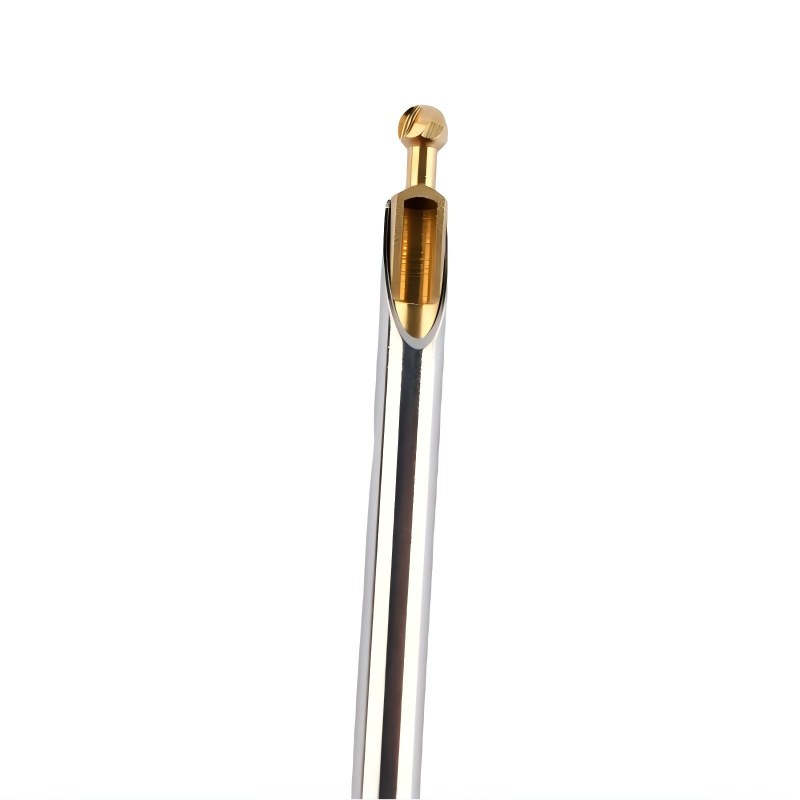
Sourcing hysteroscopic shaver blades begins with qualifying the manufacturing partner before quotation, sample requests, or audit scheduling. Procurement and quality teams often review several potential suppliers at once, and most will claim an ISO 13485 quality system. The useful question is whether that system covers the exact blade: stainless steel tubing from 2.0 mm to 4.0 mm OD, straight or angled tips, hollow dual-lumen suction and irrigation channels, sterile single-use packaging, and batch records that hold up during a regulatory or internal audit. The right hysteroscopic shaver supplier can answer those questions with documentation that matches the process. Qualification works best as a sequence: pre-quotation screening, then design-control and traceability review, then a formal RFQ and on-site audit.
Why Supplier Qualification Starts Before the First Quotation
A quotation covers price and delivery, but the shop floor, quality records, and process controls behind the numbers determine whether the offer is credible. Thin-wall stainless tubes at 2.0–4.0 mm OD, precision-ground cutting windows, laser-welded joints, and hollow dual-lumen channels require specialized tooling and process control. When buyers skip pre-quotation screening, gaps often appear later: an unclear ISO 13485 scope, no documented cleanroom class for final assembly, or a lot that cannot be traced back to its steel batch. Pre-quotation screening is the point to ask questions that shape the project.
Does the ISO 13485:2016 scope cover manufacturing of surgical instruments or trading? Is final assembly performed in a controlled cleanroom, and at what classification? How are cutting edges, tube concentricity, and dual-lumen fluid paths measured? How are production lots identified so a finished blade links to material certificates and process records? How much of the process—grinding, welding, cleaning, assembly, packaging—stays in-house? A hysteroscopic shaver manufacturer with its own production footprint can answer these questions up front. SINOWARES, for example, runs ISO 13485:2016 manufacturing, a 100,000-class cleanroom for assembly, 150 precision machines, a 15-person non-standard automation team, coordinate measuring machine and projector inspection, spectrum composition analysis, and full batch traceability. That footprint turns a quotation into a supported offer rather than a best guess.
How an ISO 13485 Hysteroscopic Shaver Manufacturer Supports Design Control and Batch Traceability
The second stage moves from “can they make it? ” to “can they document it? ” Design control and batch traceability connect a physical shaver blade to the buyer's regulatory file: device master record, design history file, and the technical documentation behind a 510(k), CE marking, or NMPA submission. ISO 13485 manufacturing covers the quality system; CE marking, FDA clearance, and other product approvals remain separate market-specific steps. A hysteroscopic shaver supplier that maintains those records properly can reduce back-and-forth during submission.
1. Design Control Coordination for Custom Blade Drawings
When an OEM sends a drawing for a hysteroscopic shaver blade—outer diameter, working length, cutting window geometry, tip angle, hub interface—the manufacturer's job is to translate it into a repeatable process and record that translation. That means reviewing tolerances against actual grinding and welding capability, confirming the inner and outer tube fit that creates the hollow dual-lumen channel, and confirming the material grade in writing. Under FDA design control expectations and the contract manufacturer requirements in 21 CFR Part 820, design inputs, outputs, verification, and design changes need to be recorded. Suppliers who build those records as the project moves forward keep the buyer's design history file clean and avoid scrambling for evidence at submission time.
2. Batch Traceability Records for Registration Submissions
Every shipped lot of hysteroscopic shaver blades should trace back through assembly, cleaning, inspection, and raw material. In practice, that means a lot number linked to the stainless steel heat number, the spectrum composition analysis report, dimensional inspection results, and sterilization cycle records if EO sterilization is applied. FDA's sterility guidance for 510(k) submissions of devices labeled as sterile asks for this type of documentation, and buyers evaluating an ISO 13485 hysteroscopic shaver manufacturer should expect the same internal information flow. Batch records also answer post-market questions quickly: if a customer reports a blade issue, the supplier can pull the corresponding lot and process data.
Moving from Initial Screening to a Formal RFQ and Audit
Once the quality system and documentation flow check out, the RFQ stage tests whether the manufacturer can hit commercial and technical targets on a repeatable basis. A strong RFQ for hysteroscopic shaver blades includes the drawing revision, material specification, tip style (straight or angled), cutting window configuration, working length, hub color or laser marking requirements, target packaging format, and expected annual volume by SKU. Vague RFQs—“a few thousand blades, kind of like this one”—push both sides into guessing, and the returned quote often hides assumptions in fine print. SINOWARES manufactures hysteroscopic shaver blades with OD 2.0–4.0 mm, straight and angled tips, multiple cutting window configurations, hollow dual-lumen structure, medical stainless steel, custom working lengths, and EO sterilization with custom sterile packaging. Those options cover most requests from a gynecology device brand. MOQ, lead time, pricing, sampling fees, packaging tooling, and registration support scope are confirmed case by case. Those items move fastest when the buyer arrives with a drawing and a target volume rather than a general inquiry. The formal audit closes the sequence. By that point the buyer has screened the certificate, reviewed design and traceability practices, and received a quote. The on-site visit confirms cleanroom controls, checks measurement equipment, walks through a live batch record, and introduces the engineering team that will run the project. Suppliers that passed the earlier stages are usually easier to audit because the documents and the shop floor tell the same story.
Conclusion
Sourcing hysteroscopic shaver blades from an ISO 13485 manufacturer works best when qualification follows a sequence: screen the basics before the first quotation, drill into design control and batch traceability while the drawing is still fresh, then move into a formal RFQ and audit with specific numbers. Buyers who run that sequence end up with a manufacturing partner whose quality system connects directly to their own regulatory file. The next step is straightforward—send your blade drawing, target lengths, tip style, packaging format, and annual volume, and request a free customized plan with a quotation that spells out MOQ, lead time, and sampling terms.
FAQ
Q:What documents should an OEM procurement team request from an ISO 13485 hysteroscopic shaver manufacturer?
A:Start with the ISO 13485:2016 certificate and its scope statement, then ask for the quality manual outline, a sample batch record, material certificates, spectrum composition analysis reports, cleanroom classification documentation, and dimensional inspection data from a recent lot. Comparing those documents side by side separates suppliers that can support the project from those that cannot.
Q:How does a manufacturer support design control and Device Master Record requirements for a shaver blade project?
A:The manufacturer contributes the process side of design control: drawing review, tolerance and fit checks on the dual-lumen tube assembly, material grade confirmation, inspection methods, and change control on the manufacturing process. Those outputs feed the buyer's Device Master Record, which under 21 CFR Part 820 describes how the finished device is built and controlled. A supplier that keeps these records current as the design moves from prototype to production keeps the DMR aligned with what the shop floor actually does.
Q:Can an ISO 13485 hysteroscopic shaver manufacturer provide batch traceability records before a formal audit?
A:Yes, and asking for them before the audit is one of the most useful steps a buyer can take. A recent lot record typically shows the raw material heat number, spectrum composition analysis, dimensional inspection data, assembly date, and sterilization cycle information. Reviewing a live record lets the buyer confirm that traceability runs through real production rather than through templates written for audits. SINOWARES maintains batch traceability as a standard part of manufacturing hysteroscopic shaver blades.
Sources / References
Quality Management System Regulation (QMSR) | FDA
CFR - Code of Federal Regulations Title 21
Submission and Review of Sterility Information in Premarket Notification (510(k))
Submissions for Devices Labeled as Sterile | FDA
Related Examples
Recommended reading
- 2026-10-28How to Source Hysteroscopic Shaver Blades from an ISO 13485 Manufacturer
- 2026-10-15How Cutting Window Configurations Become OEM Blade Specifications
- 2026-10-09Hysteroscopic Shaver Blade Options for Polypectomy and Myomectomy
- 2026-09-14How the SINOWARES Knee, Shoulder, Wrist, and Ankle Wording Sets the Boundary for This Article




 +86 13823386871
 Address
