




How Cutting Window Configurations Become OEM Blade Specifications
2026-10-15 11:37:15
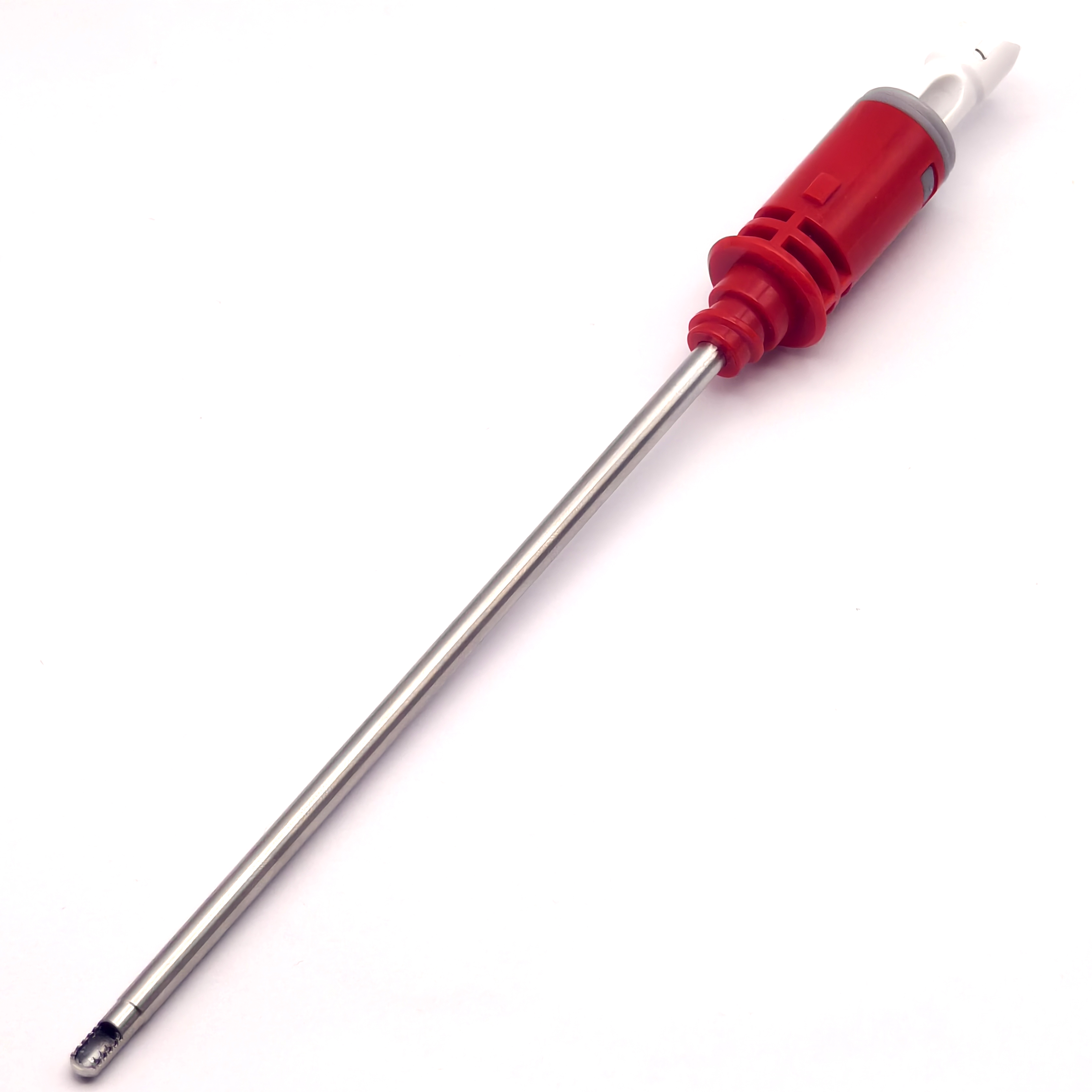
Multiple cutting windows are one of the most practical ways to tune a hysteroscopic shaver blade for different tissue-removal tasks. The window is where tissue enters, so its position, opening size, and edge geometry affect how the blade engages tissue. A smaller, more controlled window can suit precise polypectomy work. A larger or differently placed window can help with myomectomy, where firmer fibroid tissue may need a different engagement pattern. With multiple window options, the OEM can match the window to the lesion type and surgical approach instead of forcing one geometry across the whole product line. Turning clinical intent into a manufactured blade means translating procedure needs into drawing-level details. Tip angle, window location, inner and outer tube relationship, and lumen layout all become part of the specification.
Medical-grade stainless steel cutting components provide the edge and structure. Precision grinding shapes the cutting surfaces, laser welding joins the assembly, ultrasonic cleaning removes manufacturing residue, and 100,000-class cleanroom assembly supports the single-use finished component. EO sterilization and custom sterile packaging support the delivery format your brand needs. Hub color and laser logo customization align the blade with your device identity without changing the core cutting concept. For a hysteroscopic shaver manufacturer, the useful starting point is a clear procedure brief: polypectomy or myomectomy, typical lesion location, preferred tip form, target window behavior, and the suction and irrigation demands of the system. From there, the blade configuration can move from a general preference to a reviewed OEM specification. The same discipline applies when evaluating a hysteroscopic shaver supplier: ask how they translate lesion location and tissue task into tip geometry, window choice, and dual-lumen flow, not just whether they can produce a blade-shaped part.
Conclusion
The best blade choice for polypectomy and myomectomy comes from the procedure scene. Central-cavity and anterior-wall work often points to a straight tip with a direct, controlled window. Cornual and posterior lesions often call for an angled tip that reaches the target without forcing the shaft. Myomectomy may require different window engagement than a simple central polyp. Once that logic is clear, the OEM conversation becomes specific: OD 2.0–4.0 mm, straight or angled tip, multiple cutting window options, hollow dual-lumen structure, medical-grade stainless steel cutting components, customizable working lengths, hub color and laser logo customization, and the sterilization and packaging format your brand requires. Our team supports configuration work from drawing review through production-ready blade supply. Share your procedure needs, target blade form, and drawings so we can confirm the next practical step for your program.
FAQ
Q:Which hysteroscopic shaver blade tip is better for polyps near the uterine cornua?
A:For polyps near the uterine cornua, an angled tip is often the practical starting point because it lets the cutting window approach the lesion while the shaft stays in a more natural position. A straight tip can still work when the polyp aligns easily with the scope axis. The final choice should also account for window placement and the suction path. Review the lesion position and intended approach with your blade supplier before locking the design.
Q:How do multiple cutting windows affect tissue engagement during myomectomy?
A:Multiple cutting windows give the blade different ways to engage fibroid tissue. Window position changes where tissue enters the cutter, while window size and edge shape influence how the blade engages tissue and how readily tissue enters the suction path. For myomectomy, a window suited to firm fibroid tissue may differ from one chosen for a soft polyp. A multi-window blade program lets the OEM match cutting geometry to the tissue task instead of using one window for every case.
Q:What blade configuration details should a medical device brand prepare for OEM review?
A:Prepare a short procedure brief first: whether the blade is mainly for polypectomy, myomectomy, or both, where the lesions typically sit, and whether a straight or angled tip is preferred. Then add the technical points that shape the drawing, such as target OD within the 2.0–4.0 mm range, cutting window preference, dual-lumen flow needs, working length direction, hub color or laser logo requirements, and sterile packaging format. These details let the manufacturer review feasibility and propose a blade configuration that fits your program.
Sources / References
The Use of Hysteroscopy for the Diagnosis and Treatment of Intrauterine Pathology | ACOG
Hysteroscopy: Purpose, Procedure, Risks & Recovery | Cleveland Clinic
Download Guidelines & Best Practice Information | BSGE
Related Examples
Sinowares hysteroscopic shaver product specifications
Recommended reading
- 2026-10-15How Cutting Window Configurations Become OEM Blade Specifications
- 2026-10-09Hysteroscopic Shaver Blade Options for Polypectomy and Myomectomy
- 2026-09-14How the SINOWARES Knee, Shoulder, Wrist, and Ankle Wording Sets the Boundary for This Article
- 2026-09-08Knee and shoulder arthroscopy uses for orthopedic shaver blades




 +86 13823386871
 Address
